
Burry Inlet Special Protection Area (SPA) and Ramsar
The large estuarine complex of the Burry Inlet includes extensive areas of intertidal sand and mudflats and the largest continuous area of saltmarsh in Wales (22 square kilometres). The Burry Inlet regularly supports internationally important numbers of overwintering wildfowl and waders that feed in the saltmarshes and on the intertidal areas. The site is the most important wholly Welsh estuary for overwintering waterfowl and is particularly significant for oystercatcher.
The Burry Inlet SPA was designated in 1992 for regularly supporting 1% or more of the biogeographic population of the following migratory species: knot, Calidris canutus; oystercatcher, Haematopus ostralegus; redshank Tringa totanus; and pintail, Anas acuta,
The site also supports internationally or nationally important wintering populations of the following species of migratory waterfowl: dunlin, curlew, turnstone, grey plover, wigeon, shelduck, shoveler, teal.
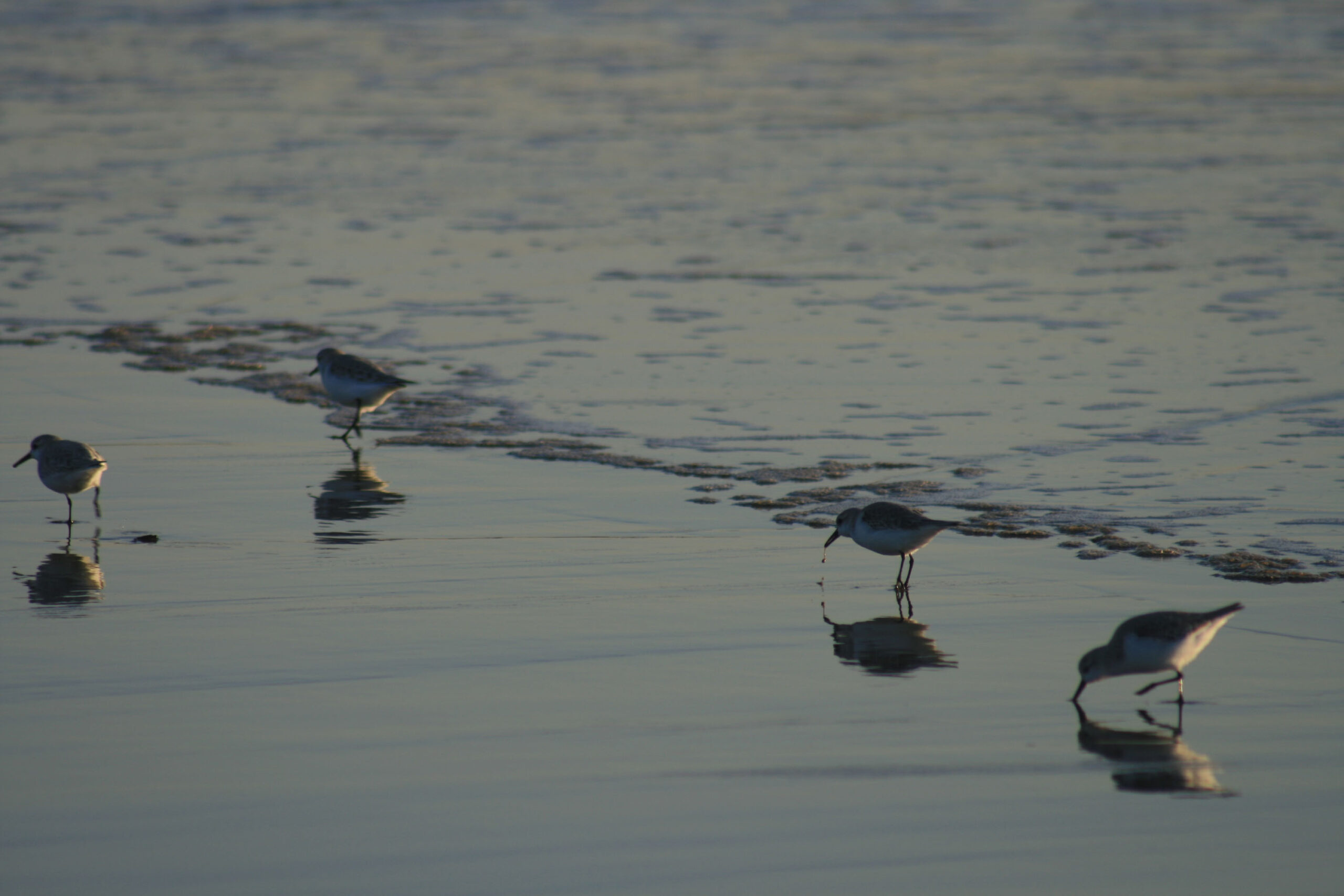
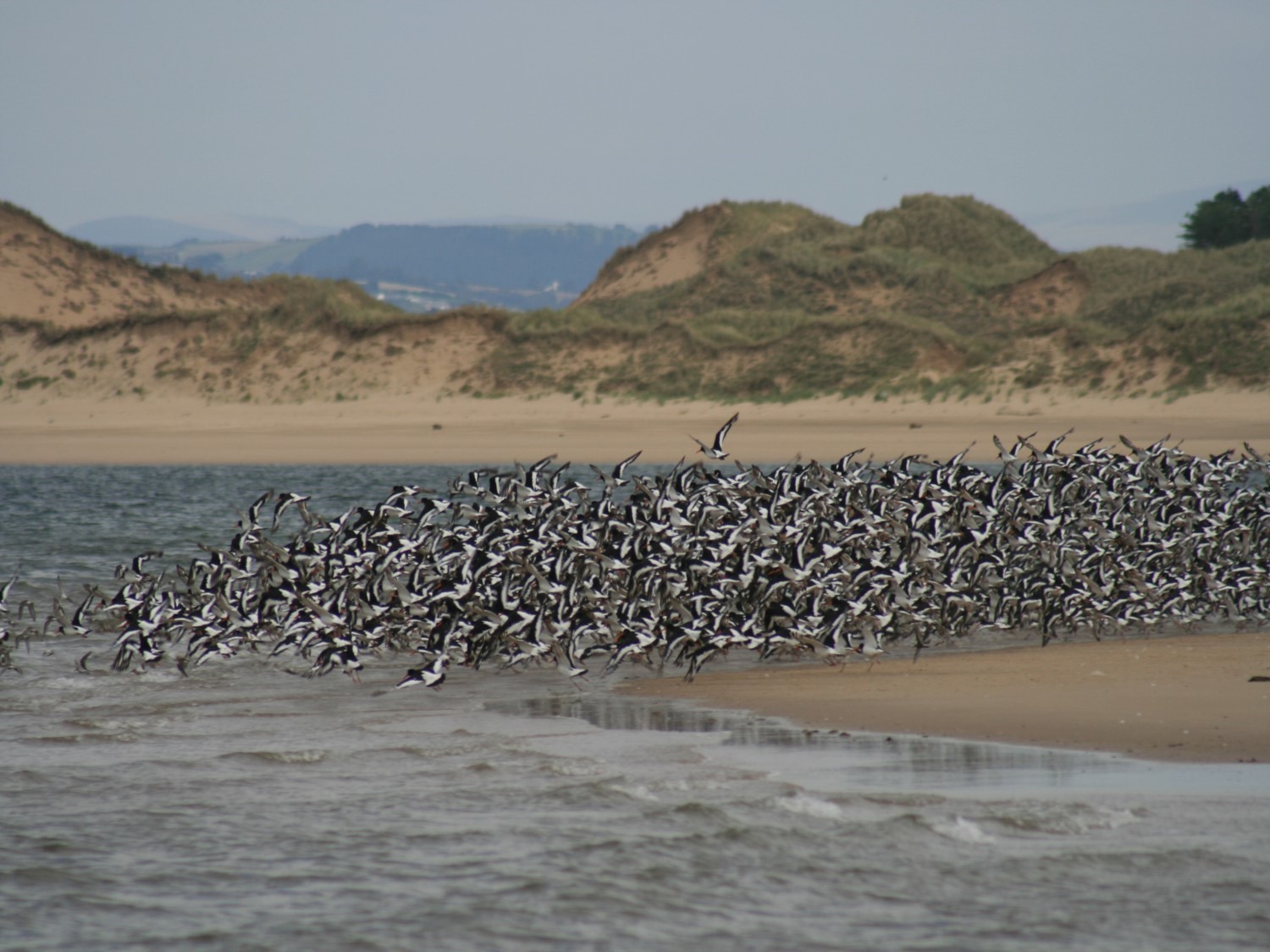
The estuary experiences wide tidal fluctuations (about 8 m), which has the consequence of exposing a large extent of intertidal sediments on a regular basis. These are mostly sandy, but muddy substrates are also found in more sheltered areas. The mix of habitats provides for important bird feeding grounds and resting areas. In places, the extensive mud and sandflats support substantial populations of marine invertebrate species, which provide an important food source for the large numbers of overwintering waterfowl found there.
Further information:
Summary information about the site is available from the Joint Nature Conservation Committee website here.
Ramsar
The site is also designated as a Ramsar wetland of international importance under the 1971 Convention on Wetlands for the same bird species as the Burry Inlet SPA. However, the wetland designation also lists plant, invertebrate, fish and further bird species as being of importance.
Further information:
The Ramsar information sheets for Burry Inlet can be seen by accessing by the Ramsar database here and the JNCC database here.
Further information on the Ramsar convention and UK Ramsar sites is available here.